Why Good Clinics Struggle to Grow (It Is Rarely Clinical)
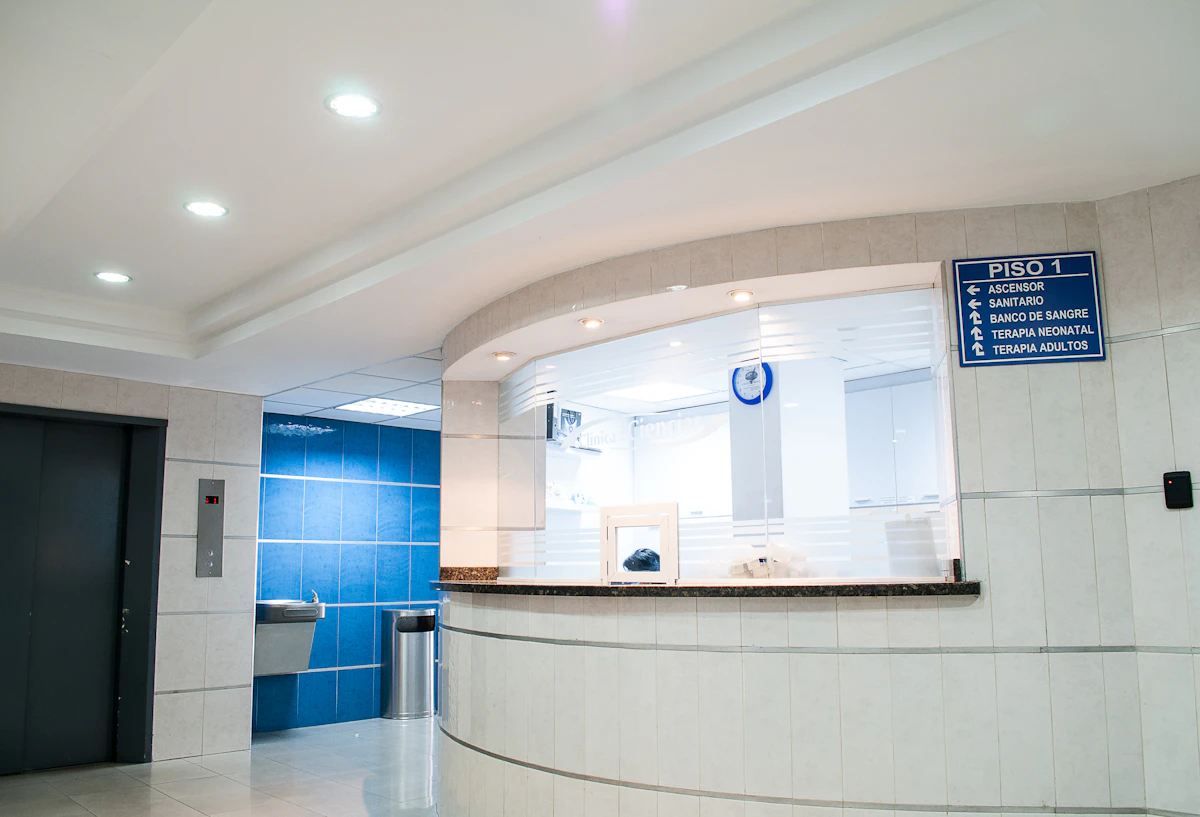
Clinics rarely lose patients on clinical grounds. They lose them at discovery, at booking, and in the silence after a visit. A patient deciding where to go cannot evaluate clinical skill in advance, so they judge what they can see: how easy you are to find, how quickly you respond, and how organised the experience feels.
Key takeaways
- Patients evaluate accessibility and trust signals, not clinical outcomes, when choosing.
- Most enquiry loss happens between interest and confirmed appointment.
- No-shows and non-returning patients are systems problems with known fixes.
- The front desk is your highest-leverage growth function, and usually the least supported.
Where clinics actually lose patients
At discovery If the clinic is hard to find, has inconsistent details across listings, or shows no recent activity, the patient never enters the funnel. Details that disagree across your website, map listing and directories actively reduce trust.
Between enquiry and appointment This is the biggest single loss point. A patient calls, cannot get through, leaves a message, and books elsewhere. Or they message and receive a reply the following day, by which time the decision is made.
At the appointment itself Long waits with no communication, unclear pricing, or a rushed reception experience all reduce the chance of a return visit — independent of the quality of care given.
After the visit Most clinics have no defined contact after a visit. Follow-up appointments depend entirely on the patient remembering, which converts a system into a hope.
The fixes, in order of return
- 1.Consolidate enquiry channels. Calls, messages, forms and walk-ins into one visible list, so nothing depends on who happened to answer.
- 2.Set a response-time standard. Same-day at minimum, ideally within the hour during working hours.
- 3.Make booking frictionless. Every additional step loses a share of patients. Confirm immediately and in writing.
- 4.Send structured reminders. A confirmation at booking and a reminder before the appointment measurably reduces no-shows.
- 5.Define the recall process. Who needs to return, when, and who initiates contact.
- 6.Fix the trust surface. Consistent name, address and phone everywhere; current photographs; clearly stated services and timings.
The goal is to reduce manual effort while improving patient experience and operational clarity. Both improve together or neither does.
What AI changes in a clinic
Applied to the systems around care rather than to care itself:
- Intake and routing: capturing enquiries across channels and organising them with context.
- Reminders and confirmations: reducing no-shows without adding front-desk workload.
- Recall lists: identifying who is due for a return visit and when.
- Reporting: turning appointment and enquiry data into a weekly view leadership can act on.
None of this touches clinical judgement. All of it returns front-desk hours to patient-facing work.
The numbers a clinic should watch weekly
- Enquiries received, by channel.
- Percentage converted to booked appointments.
- Average time from enquiry to response.
- No-show rate.
- Percentage of patients who return within the expected interval.
Most clinics track revenue and appointment volume only. Those two numbers tell you what happened but not why, which is why they cannot guide a decision.
Where to start
Ask your front desk one question: how many enquiries did we receive last week, and how many became appointments? If the answer requires guessing, that visibility gap is the first thing to fix — everything else depends on it.
Frequently asked questions
Why do good clinics struggle to attract patients?
Because patients cannot evaluate clinical skill before their first visit, so they judge what is visible: how easy the clinic is to find, how fast it responds, and how organised the experience feels. Growth problems in clinics are therefore usually business-system problems rather than clinical ones.
Where do clinics lose the most patients?
Between enquiry and confirmed appointment. A patient calls and cannot get through, or messages and receives a reply the next day by which time they have booked elsewhere. Consolidating enquiry channels and setting a response-time standard addresses the largest single loss point.
How can a clinic reduce no-shows?
Send a written confirmation at the moment of booking and a reminder before the appointment. Structured reminders measurably reduce no-shows, and automating them means the reduction does not come at the cost of additional front-desk workload.
What metrics should a clinic track weekly?
Enquiries received by channel, the percentage converted to booked appointments, average enquiry-to-response time, no-show rate, and the percentage of patients returning within the expected interval. Revenue and appointment volume alone tell you what happened but not why.
Related reading.
The Empty Clinic on a Tuesday Afternoon
Your clinical work is excellent. Your reviews say so. And on Tuesday at three, the waiting room is empty and you are doing the arithmetic in your head.
6 min read RevenueNobody Sells It Like You Do. That Is the Problem.
Founder-led sales works beautifully until it becomes the ceiling. Handing it over feels like a downgrade because, for the first few months, it genuinely is.
7 min read RevenueFull Hotel, Falling Revenue: The Occupancy Trap
Ninety percent occupancy feels like success. If you got there by discounting, you have simply sold the same rooms to a worse customer for less money.
7 min read